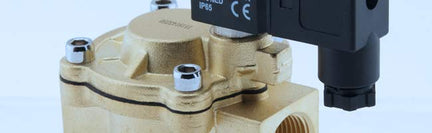



Pneumatic Sensor 4mm - G1/2''


This is a brass/PA66 pneumatic sensor used to measure the working pressure of the cylinder. It has two 4 mm push-in fittings (input and output) and two G 1/2 inch male threaded ports. It has NBR seals that make it suitable for applications within a temperature range from -20 to 80 °C (-4 to 176 °F). The operating pressure range is 3 to 8 bar (43 to 116 psi). The reaction pressure 0.8 to 1 bar (11.6 to 14.5 psi) and switch time is 3 ms. The pneumatic sensor switch through a pneumatic signal from the signal input port to the signal output port as soon as the pressure on the threads falls below the reaction pressure.
- Regular price
- £37.94
Description
This is a brass/PA66 pneumatic sensor used to measure the working pressure of the cylinder. It has two 4 mm push-in fittings (input and output) and two G 1/2 inch male threaded ports. It has NBR seals that make it suitable for applications within a temperature range from -20 to 80 °C (-4 to 176 °F). The operating pressure range is 3 to 8 bar (43 to 116 psi). The reaction pressure 0.8 to 1 bar (11.6 to 14.5 psi) and switch time is 3 ms. The pneumatic sensor switch through a pneumatic signal from the signal input port to the signal output port as soon as the pressure on the threads falls below the reaction pressure.
Pros:
- Equipped with easy to connect push-in fittings